

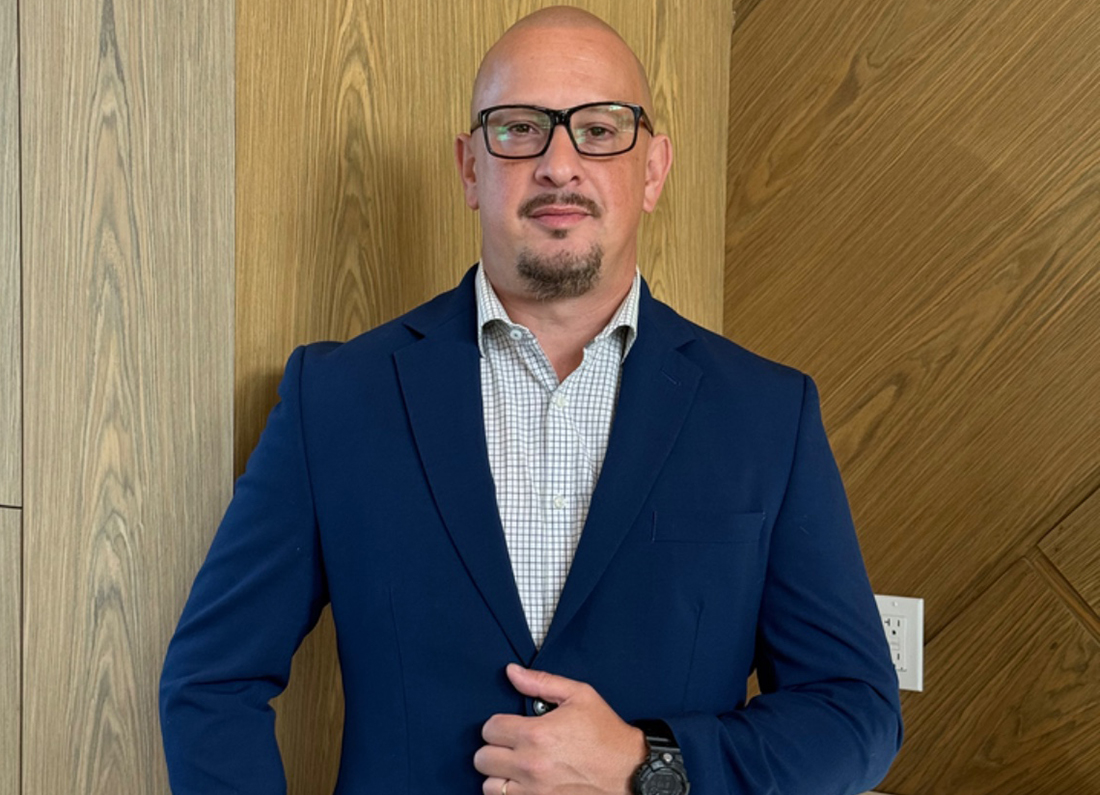
By Fábio Toniato
By any metric, facilities management has entered a new era. Automation, smart buildings, and data-driven maintenance dominate industry conversations. Yet amid all this technological progress, a quieter, and potentially more dangerous, risk continues to be underestimated: the people and leadership gap inside facilities operations.
Fabio Toniato argues that the sector’s biggest challenge over the next decade will not be software adoption or capital investment, but human capital.
“You can buy the best technology on the market, but without trained people and clear leadership, the operation will still fail,” Toniato says. “Facilities management is executed by people, not dashboards.”
This concern is backed by consistent labor data. The U.S. Bureau of Labor Statistics (BLS) has repeatedly highlighted that building operations and maintenance roles face high retirement rates and persistent shortages of qualified technical staff, especially in supervisory and managerial positions. At the same time, IFMA research shows that many organizations struggle to replace experienced facilities leaders fast enough to meet operational and compliance demands.
The result is a growing paradox: buildings are becoming smarter, but teams are often less prepared to manage their complexity.
From safety compliance to energy optimization, the margin for error is shrinking. OSHA data consistently shows that inadequate training and supervision remain among the leading contributors to workplace incidents in operational environments. In facilities management, this translates into higher risk exposure, unplanned downtime, and rising insurance and liability costs.
Toniato believes the solution requires a mindset shift at the executive level.
“Facilities leadership must be developed with the same seriousness as finance or operations leadership,” he explains. “That means continuous training, succession planning, and giving managers real decision-making authority, not just responsibility without power.”
This issue is especially critical in sectors such as healthcare, logistics, and industrial operations, where facilities teams directly influence safety, continuity, and service delivery. In hospitals, for example, studies from U.S. health authorities consistently link infrastructure reliability and staff training to patient safety and infection prevention outcomes.
Ignoring the people dimension of facilities management is no longer a neutral choice, it is a strategic risk. As ESG expectations grow and operational efficiency becomes a competitive differentiator, organizations that invest only in technology without investing in leadership will likely fall behind.
Facilities management has evolved into a strategic discipline. Now, its workforce strategy must evolve with the same urgency.